Canada’s meeting place for freelance writers and creators
Established 2010
Canada’s meeting place for freelance writers and creators
Established 2010


[caption id="attachment_11978" align="alignright" width="259"]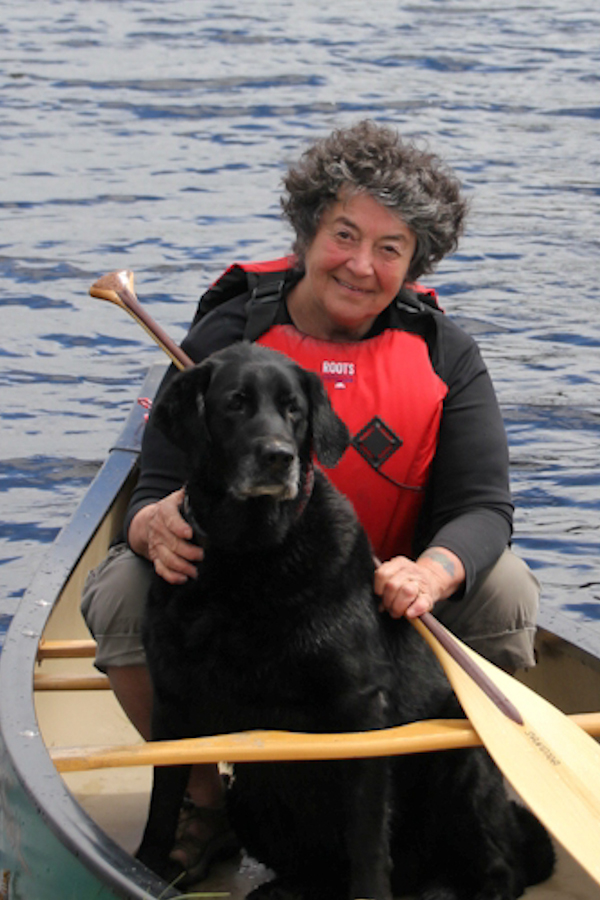 Freelance writer Sandra Phinney[/caption]
By Sandra Phinney
I’ve heard editors say that upwards of 80 percent of the queries they receive are deleted without reading further than the end of the first paragraph.
Why? It all comes down to three things:
Then do the following four exercises.
Once you’ve completed the exercises, you’ll be in a position to create the perfect pitch because you will have a clear idea of who reads the publication, the kind of articles that appeal to that readership, and the tone and style in which they are written.
Armed with this information, you will be able to write your query slanted to the readership, in the same “voice” as the magazine. Your pitch will reflect that you are both familiar with the publication and that you are a savvy freelancer. Study the ads
Ask yourself the following questions:
* What kind of person buys these products?
* How old are they?
* What is their income, sex, education, occupation?
* Are the readers urban, rural or mixed?
* What are their interests?
Scan the magazine to figure out the big picture
The front section often has short pieces. It may also be the easiest place to break into a magazine. For example in Canadian Geographic, the front section titled “Discovery” usually has several 500-word pieces.
If you’ve not written for the publication before, it’s easier to get the green light for a short piece rather than getting a feature approved. Once you’ve established a working relationship with the editor, then you’ll be in a better position to pitch a longer story.
Are there department pieces or columns (e.g., health, finances, gardening?) If so, these are likely written by staffers. If you see that the same column is written by the same person every issue, pitching story ideas for those sections is a waste of time.
Read the stories and zero in on content, tone, style
* Are they written in first, second or third person?
* Does the writing come across as formal, academic, chatty or with an "attitude"?
* Are the articles serious, lighthearted or humorous?
* Is there depth and expertise involved in the writing?
* How many people are interviewed per feature?
* Are quotes used liberally, moderately or not at all?
* Are people referred to by their first or last names?
* What reading level is the writing geared to?
* Are the articles written using a narrative style, newspaper style, how-to pieces, or some other way?
* Do photos accompany the article? If so, did the writer take them?
* Are there any sidebars?
Read the masthead; search for writer guidelines
Most publications have a masthead that lists everyone from the publisher to members of the editorial department, contributors, marketing and sales staff. Some list their email and phone numbers. It’s usually found in a column that appears in the first few pages of the magazine, usually on the left side.
If the magazine has a web site, their URL is always in the masthead. Aside from analyzing past issues, check to see if there are writer or submission guidelines available.
Finally, if you are not sure who to send the query to, ask. It's important that your query land in the right in-box. When in doubt, it’s worth a phone call to the publication. Simply ask who to direct a query about XYZ to, and request that person’s email.
The actual query
You need a hook or angle that will leave the editor wanting more. Pitching a story about hiking in Labrador is merely about a topic—and won’t fly.
But pitching a story about surviving a death-defying experience while on a hike in Labrador might fly. Especially if you write the opening first couple of paragraphs the same way you might actually open your story. Pull the editor into the story from the get-go.
The middle part of your query should go on to explain what you see as the essence of the story. (You should be able to say what the story is about in one sentence.) Then refer to highlights you will cover, which may include people you plan to interview, the resources you intend to use to build layers into your story, and backgrounder information if pertinent.
The last paragraph should focus on why you are the best person to tell this story. Think, “Why me and why now? If you have a few credentials to crow about, honk your horn and provide a couple of links to previous work. If you don’t have credits to strut, sell yourself on your expertise and/or passion for the topic.
Finally, if you are able to provide a sidebar and/or original photography for the editor to consider, say so.
Recap
Freelance writers need to do more than casually browse through a magazine before firing off a query. Spending a couple of hours analyzing a publication will provide valuable insights into the publication.
Armed with this information, you’ll be able to create powerful pitches that editors won’t delete after reading the first paragraph.
Sandra Phinney writes from her perch on the Tusket River in Yarmouth NS. Right now she’s analyzing essay markets with a view of expanding her portfolio into that realm. sandracphinney@gmail.com