Canada’s meeting place for freelance writers and creators
Established 2010
Canada’s meeting place for freelance writers and creators
Established 2010


In this regular feature, Story Board asks Canadian writers to share a few details about their work habits and their strategies for navigating the ups and downs of freelance life.
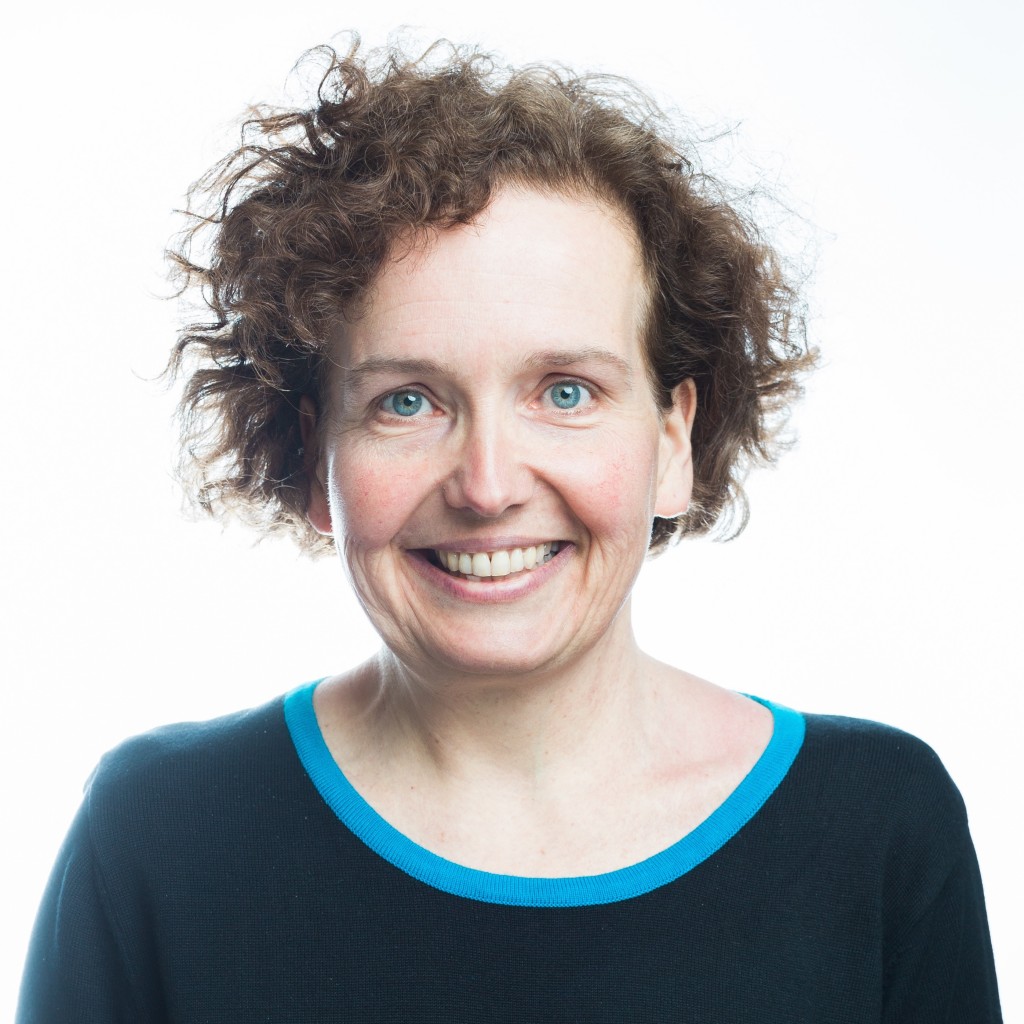
Ann Douglas has written more than a dozen books and over 1000 magazine articles on pregnancy and parenting. Her work has appeared in such publications as Canadian Living, Chatelaine, Today’s Parent, The Globe and Mail, The Toronto Star, and The Chicago Tribune. Once in a while, we're lucky enough to have the Peterborough-based bestselling author stop by to write a post for Story Board, too.
Ann took the time recently to share her thoughts about the importance of honesty, a supportive community and regular exercise for freelance writers.
At what point in your writing career did you decide to specialize in parenting and why?
It's funny because until I had children I honestly didn't know what I wanted to write about. I knew I wanted to be a writer, but I didn't really have anything to say. I wrote real estate articles and health articles and all kinds of things, but once I had my first child and I lived through the experience of infant colic I suddenly felt like "okay, now I really have something to talk about." Because day-to-day I'm struggling with this, trying to figure out what do you do when your baby's colicky. And so my first article that was published after she was born was published when she was about six weeks old and it was called "We Survived Infant Colic."
It's interesting when I look back at that because that has sort of defined my whole career. I go through an experience and then I try to find a way to help other people as a result of what I've learned along the way.
You seem to have a great, supportive community of readers and writers around you, is that because you write about parenting?
I think that’s because I tend to put my own stuff out there. I'm fairly honest, whether it's about my weight or my mental health problems. I mean I told Twitter a couple of years ago that I live with bipolar disorder and I thought you know, well, was that the wisest thing to do? I don't know, but hopefully it will help other people to know that you can have a mental illness and still have a great life. That doesn't mean you don't have day-to-day challenges at times because there are times when it's really hard but it doesn't have to mean the end of the world.
So that's the lens I think I see things through: when you have a struggle, talk to other people, share stories.
And as a writer I feel a responsibility to use writing for good. Particularly when it comes to parenting writing. You know how doctors, they have that long established saying: “first, do no harm”. I really feel that's important if you're doing writing about people and people's lives because it would be easy to cause harm to families with the kind of writing I do and I always try not to. I'm sure I have inadvertently because I'm only human. But I certainly try my best to think: what would be the impact of somebody else on the other side of the screen reading this on a day when they're having a really hard time and they're feeling really vulnerable?
What’s the best thing you’ve done over the years for professional development?
I think attending writing conferences on a regular basis and joining professional writers' associations. And I belong to a number. I belong to the Writers Union of Canada and PWAC and ASJA and the Authors Guild and of course CMG Freelance and the Canadian Freelance Union. And I get something different from each organization.
Being a writer is so hard and it's harder now than it was when I started out because our market conditions are so horrible. They went from being bad to being horrific. So if you don't have the support of other colleagues out there encouraging you to do your best and write things that matter to you and so on, it would be so easy to just throw in the towel. And those people are the ones who can refer work your way or tell you about an amazing opportunity.
I never would have been able to break into the U.S. market, for example, with the first book that I wrote for the U.S. market, if it hadn't been for a job listing that I saw via PWAC. And so you have to be connected.
And you also have to keep asking yourself what kind of skills you need to be developing, whether it's web design skills or video. Identify what you need to work on, what is going to allow you to thrive in your career five years from now?
You do so much, how do you find a balance?
I think it's because I really like variety so that's sort of what inspires me. And it's not like I'm writing books 60 hours a week and then doing all this other stuff. When I'm writing a book it's very intensive for a period of time – six months of research and then writing and then it disappears for a few months while the editors have it. And then it comes back for another couple of intensive weeks or months. But in between I need to be doing something.
If there's one thing I've learned over two and a half decades of freelancing, it’s that you always have to be looking ahead. You can't just say "oh phew, let's put our feet up and do nothing for six weeks because we have earned a break." You have to do some of that resting and relaxing and for me that's what summers at the cottage are all about, they're about rejuvenation. But at the same time I have to be thinking consciously of "what kind of opportunities do I want to look out for?"
But I do really like variety and I love learning new things. I'm not the world's most technically inclined person, so I took some courses on web design through the BC Institute of Technology. And it was one of the smartest things I ever did, because it showed me how coding works from the inside out. And so if a little glitch happens on my website, it's not the end of the world. I can usually fix it.
How do you stay focussed on work and avoid distraction?
Some days I'm very focussed and other days I am totally scattered in all directions. And so I have learned to accept that there will be times when I'm hyper-productive. I'm just totally focussed and in the zone and wonderful creative things are happening and it's almost like my brain is firing at 90,000 miles a second. And then there are other days when I spend a lot of time on social media or I'm reading every journal article that shows up in my inbox.
But I think that you have to have both kinds of days. Obviously if your article is due tomorrow and you're not feeling very productive somehow you have to inspire yourself. And I find that going for a walk helps me to refocus at times when I have to.
But the flip side of that is that you can't force yourself to be super productive forty hours a week because our brains aren't designed for that. They're designed for periods of intense creative bursts and so on but we also need to have some time to reflect and think or else we're not going to have any new material or new insights to bring to our writing anyway.
And it's good to get up from the desk as well.
I'm a Fitbit addict. So if I don't get my 10,000 steps in a day I feel pretty guilty and that usually breaks down to a walk during the day for about half an hour and then a walk in the evening for about half an hour. And that seems to really help to keep me mentally focussed, keep my mood up.
I struggle a lot with anxiety so if I'm feeling really anxious and restless and I'm having a hard time getting into something, sometimes I go for a walk and I come back and it's just like the anxiety has dropped enough that I can just put my fingers on the keyboard and start drafting something.
And I've learned how to trick myself. Sometimes I'll say to myself "we're not really going to write the article right now, what we're going to do is we're just going to do an outline and if a couple of sentences pop out while we're doing the outline we'll just jot those down."
And then sometimes I'll look up and I've written half or three quarters of the article and then I say "oh what the heck, you've already got most of it written, you might as well just finish it now and then you can go off and do something else."
And that's how I get first drafts done quite often is just by that "let's cut and paste ideas together and see what happens" technique.
Ann Douglas is the author of a number of bestselling books about pregnancy and parenting, including The Mother of All Pregnancy Books and The Mother of All Baby Books. She is also a magazine writer and content creator who specializes in writing about parenting and health. Her most recent book is Parenting Through The Storm: How to Handle the Highs, the Lows and Everything in Between. You can find out more about her on her website and follow her on Twitter at @anndouglas.